Institutional Bitcoin DeFi UX: Exploring Compliance and Adoption with Fairway


We, and many others are building Bitcoin DeFi, but why?
Institutions are coming to crypto and especially to Bitcoin. But tradfi is not interested to be a holder of passive assets, they want to find a way to multiply the holdings. Whether the bitcoin goes up or down in value, what the institution needs is their 1 BTC to be not 1 BTC, but more. In fact, for many of them, this is an obligation to share holders: the assets can not be passive.
So we need Bitcoin that multiplies every year, but how? Bitcoin DeFi promises to provide answers.
But when financial institutions look at Bitcoin and DeFi, they face a new paradox. On one hand, self-custody wallets and DeFi remove intermediaries and unlock direct, efficient transactions and yield. On the other, these same features can raise serious challenges for risk management, counterparty trust, and regulatory compliance.
With regulatory frameworks like the Clarity for Payment Stablecoins Act and the Genius Act, pathways are opening for institutions to interact directly with digital assets. This means, they can now participate to yield generation directly on-chain through lending and trading. But is the current DeFi regulatory compliant or furthermore, does it feel safe for institutions to use?
One of the most pressing concerns in the future will be the counterparty risk. In traditional finance, risk is mitigated through regulated intermediaries, insurance, and clear legal frameworks. In DeFi, however, wallet-to-wallet lending and trading across borders introduce new uncertainty, with few mechanisms for vetting counterparties. Whether willing or not, institutions participating in DeFi would expose themselves to counterparties that might be sanctioned or otherwise prohibited. This creates massive regulatory risks that hinder adoption. For institutional adoption, solving counterparty risk is essential. But what's equally important is designing a user experience that makes this trust both visible and practical.
There are several new technologies are beginning to address these challenges:
- Self-Sovereign Identity (SSI): allowing participants to share verifiable credentials without central authorities.
- Zero-Knowledge Proofs (ZK): enabling compliance checks while preserving user privacy.
- Cardano's partnerchain Midnight: introducing confidential smart contracts, where transactions can remain private yet compliant.
Adoption of these new technologies requires clear user experiences and standards that institutions can rely on. And these standards don't yet exist or at least aren't in wide distribution in our industry. Even more there is not many good examples of a great user experience when interacting with truly Web3 products and compliance simultaneously. To explore these challenges, we at Fairway are partnering with Sundial Protocol.
Together, our objective in Sundial and Fairway is to investigate how these tools can form a usable, intuitive UX for Bitcoin DeFi that the institutions will love and adopt. The aim is not only technical functionality, but also to boost the confidence of traditional finance professionals new to decentralized systems.
Key UX Challenges We're Studying:
- How institutional wallets should display compliance checks clearly.
- What partial disclosure looks like without creating a legal burden.
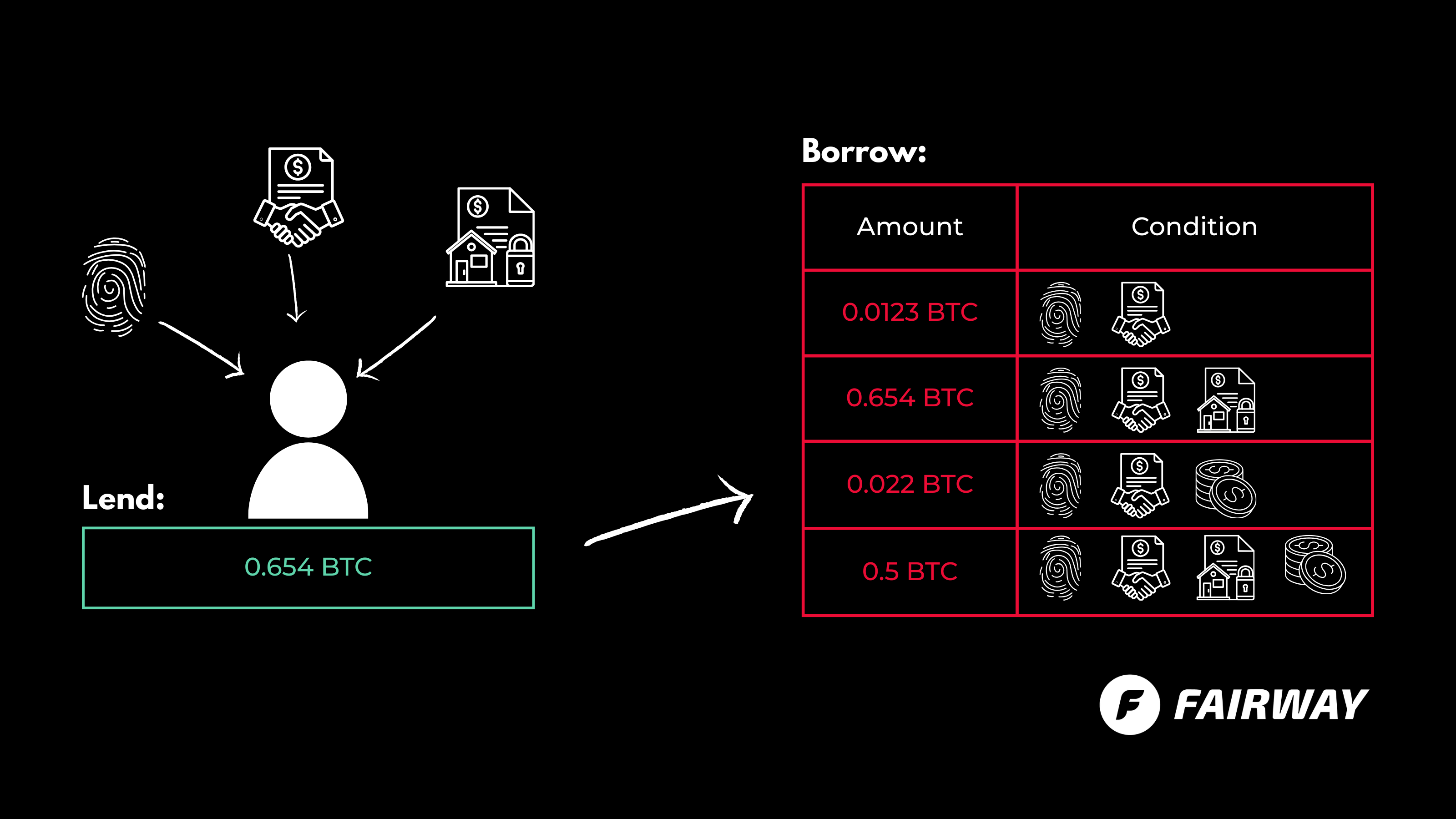
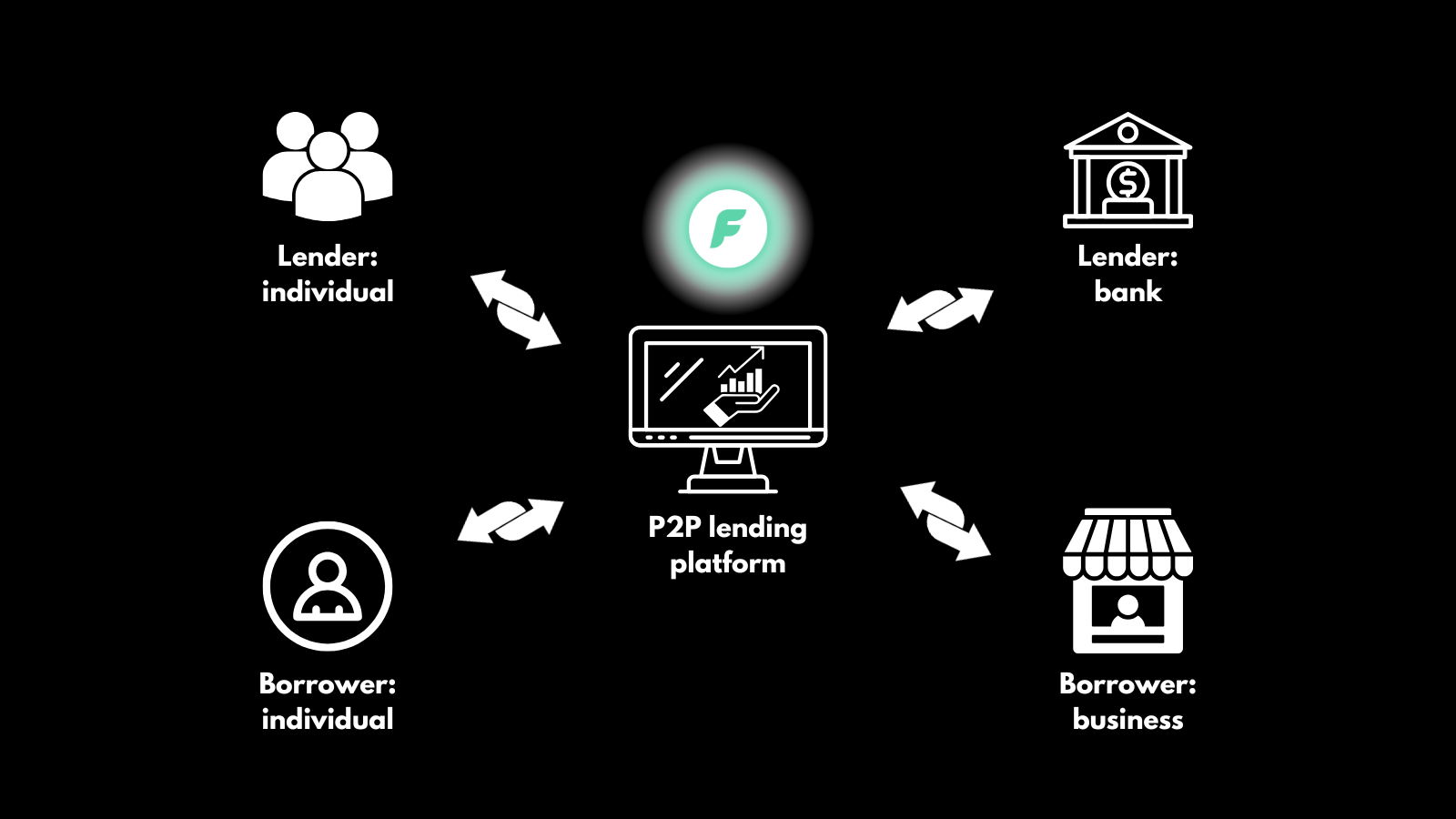
- How to make wallet-to-wallet lending familiar to those used to intermediaries.
- Simplifying identity, fees, and processes so DeFi feels accessible to institutions.
By combining Fairway's compliance and identity expertise with Sundial's infrastructure, we're taking steps toward institutional-grade DeFi UX that balances regulatory expectations with decentralization.
Looking Ahead
Institutional adoption will depend on robust technology, along with usability and compliance. This collaboration is part of a larger journey: making DeFi possible, practical and welcoming for the next wave of participants.
Henrik Metsämäki
Expert in blockchain compliance and regulatory frameworks. Passionate about bridging traditional finance with decentralized technologies.